Athletes hate waiting. They want to heal, train, and compete. Yet the body has its timeline, and pushing through pain often backfires. The right sports injury pain doctor closes that gap, finding ways to control pain management doctor near me pain, restore function, and protect the tissue while it heals. I have treated weekend runners, collegiate sprinters, goalkeepers with stubborn hips, and pitchers who tried to throw through shoulder pain. A common thread runs through their stories: recovery accelerates when pain is targeted, not ignored.
What a sports injury pain doctor actually does
People assume pain doctors only write prescriptions or perform injections. A good pain specialist does much more. We translate diagnostic findings into a tactical plan that keeps you moving safely. We decide when rest is non-negotiable and when modified activity is smarter than immobilization. We combine interventional pain management with rehabilitation, and we monitor metrics that matter, such as asymmetric loading, sleep quality, and training volume spikes. If you’re searching for a pain management doctor near me, look beyond proximity. Look for a pain management specialist who speaks the language of sport and understands periodization, biomechanics, and return-to-play criteria.
In practice, a sports injury pain doctor might be board certified in pain medicine, anesthesiology, physical medicine and rehabilitation, or sports medicine. Titles vary: pain doctor, pain medicine doctor, pain management physician. Experience matters more than labels. The best pain management doctor in this realm works shoulder to shoulder with athletic trainers, physical therapists, and surgeons. They know when to escalate and when to hold the line.
When to call instead of waiting it out
Athletes tend to delay, hoping the pain fades after a day or two. If performance drops, sleep suffers, or the pain pattern worsens, time matters. A same day pain management appointment can prevent a simple strain from becoming a season-long problem. I tell patients to reach out if any of the following occur: sharp pain with specific movements that persists beyond 48 to 72 hours, swelling that limits range, tingling or numbness that tracks down a limb, recurrent “giving way,” or pain that wakes you at night. An urgent pain management doctor is not overkill when neural symptoms appear quickly after an injury.
If you need a pain doctor accepting new patients or a pain doctor with same day appointments, ask the scheduler whether the clinic evaluates sports injuries routinely. A pain management center that treats mostly chronic back pain might still be an excellent fit, but the clinical approach will differ from a sports-focused pain clinic.
The evaluation: more than a quick look
A thorough pain management consultation starts with a clean history. How did the pain begin? What was the exact movement, surface, shoe, workload change, or collision? Many problems are workload problems. We often see a 30 to 60 percent jump in weekly mileage, or a sudden spike in jump counts during tournament weekends. These details are not trivia, they shape the diagnosis.
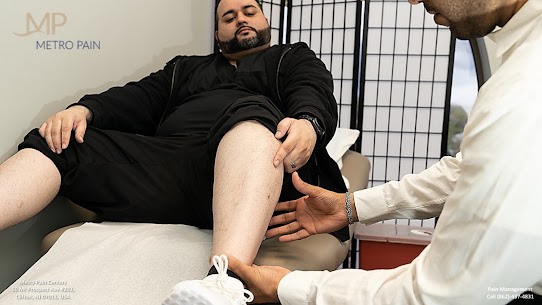
During the physical exam, we look for pain generators. For ankle pain, is it the peroneal tendons, the subtalar joint, or nerve entrapment at the tarsal tunnel? For knee pain, we distinguish patellar tendon pain from intra-articular pathology, fat pad irritation, or referred pain from the hip or lumbar spine. With shoulder pain, overhead athletes often present with a combination of rotator cuff overload and capsular tightness, not just a single tendon issue. If a test reproduces your exact pain, we’re closer to the source.
Imaging is selective. Ultrasound is a workhorse in the exam room, letting us visualize tendons, bursa, or fluid collections in real time and guide injections with precision. MRI is reserved for suspected structural injuries such as labral tears, meniscus tears, or stress fractures. X-rays help rule out fracture, alignment problems, or degenerative changes that may influence the plan.
The kinds of pain we see in sport
Patterns matter. The following scenarios come up week after week:
- Lower back pain with radiating leg symptoms after deadlifts or sprint starts. Sometimes this is a disc flare. A lower back pain doctor or sciatica specialist considers disc mechanics, glute activation, hip mobility, and hamstring load. An epidural steroid injection from an epidural injection pain specialist may help if neural inflammation drives the symptoms, but only in the right context and after a targeted exam. Anterior knee pain in jumpers. A knee pain specialist differentiates patellar tendon issues from fat pad impingement and cartilage lesions. Eccentric loading, blood flow restriction training, and load management usually trump passive treatments. Injections have a role when the tendon refuses to calm down and the athlete has a competition window to hit. Hip and groin pain in field athletes. A hip pain specialist checks the adductors, iliopsoas, femoroacetabular impingement signs, and SI joint referral. Core control and rotational mechanics often need attention. If the sacroiliac joint reproduces the exact pain, a sacroiliac joint pain doctor can use image-guided injections to reduce inflammation and allow therapy to progress. Shoulder pain in pitchers, swimmers, and volleyball players. A shoulder pain specialist considers cuff tendinopathy, labral pathology, or scapular dyskinesis. Dry needling and manual therapy can help, but restoring scapular rhythm and rotator cuff endurance is the long-term fix. Ultrasound-guided subacromial injections have their place when night pain and reactive tendons block rehab. Hamstring strains in sprinters and soccer players. Not all hamstring pain is the same. Proximal tendon injuries behave differently than mid-belly strains. Load the tendon too quickly and you restart the clock. Load it too little and the tissue weakens. The art sits in that middle ground.
Pain may also reflect nerve irritation. A nerve pain specialist evaluates numbness, burning, shooting pain, or radiating pain, and determines whether the generator is spinal, peripheral, or entrapment. For example, a pinched nerve pain doctor differentiates L5 radiculopathy from peroneal nerve compression at the fibular head, or tibial nerve entrapment in a runner with chronic calf tightness.
Interventional options that keep you moving
Athletes often ask for the least invasive option that works quickly. A non surgical pain management doctor who focuses on interventional pain management can match the treatment to the tissue and the season.
- Image-guided injections. A pain doctor for joint injections or a pain doctor for spinal injections uses ultrasound or fluoroscopy to deliver medication exactly where it is needed. For a reactive patellar tendon, a small volume needling procedure with local anesthetic can break the pain cycle and help the athlete tolerate targeted rehab. For lumbar radicular pain, an epidural steroid injection doctor can calm nerve root inflammation. For shoulder impingement with bursitis, a steroid injection pain doctor can quiet the subacromial bursa and allow cuff loading to resume. Nerve blocks. A nerve block specialist uses diagnostic blocks to confirm the source and therapeutic blocks for relief. In some cases, radiofrequency ablation from an RFA pain specialist can provide longer relief for facet joint pain, which is more common in rotational sports and older athletes with degenerative changes. Trigger point injections. Overloaded athletes often carry myofascial trigger points that limit range and perpetuate a pain loop. A trigger point injection doctor can break the cycle, but it must be paired with corrective movement and strength work. Biologic and regenerative approaches. PRP and other biologics are popular in sports, yet they are not cure-alls. Evidence supports PRP for certain tendinopathies, but not for every injury. The timing within the training calendar and the specific tissue involved matter. A cautious, evidence-based discussion beats a quick promise. Spinal cord stimulation and advanced neuromodulation. These belong to select, refractory cases, more often seen in chronic pain or complex regional pain syndrome. A CRPS specialist or spinal cord stimulation specialist will consider this only after conservative and interventional options fail, not in the first line for a straightforward sports injury.
A minimally invasive pain management doctor understands that injections do not replace rehab. They create a window for high-quality rehabilitation. If that window is wasted, pain returns.
Why pain control changes the trajectory of rehab
Pain is not just a signal, it is a limiter. When pain inhibits quad activation after knee injury, you lose strength daily. When glute activation lags because of back pain, the hamstrings and lumbar extensors compensate, setting up another injury. Pain control can restore normal firing patterns and allow progressive overload. This is why a pain management clinic that collaborates with rehab professionals accelerates outcomes. The interventional pain specialist provides the runway, and the therapist pilots the plane.
For example, a collegiate sprinter with lumbar disc irritation and shooting leg pain could not tolerate hip hinge work. After a targeted transforaminal epidural by an experienced pain management doctor, his nerve pain dropped from an eight to a three. That shift allowed posterior chain loading and trunk endurance work to proceed. He returned to partial practice in two weeks and full sprinting in five, rather than spinning wheels for months while pain dictated every step.
The role of diagnosis in preventing recurrence
A pain doctor who treats athletes thinks beyond symptom control. We ask why the tissue failed in the first place. Was it cumulative load without recovery, a footwear change, a strength deficit, mechanics, or an underlying joint issue? For the basketball guard with medial knee pain, the fix was not the injection alone, it was addressing hip abduction strength, landing mechanics, and game-day warmup habits. For the distance runner with foot pain, solving a subtle training error and adding calf-soleus capacity mattered more than any single procedure.
If you need a pain management doctor for sciatica, herniated disc, spinal stenosis, or degenerative disc disease, expect the conversation to cover both anatomy and workload. For instance, spinal stenosis in older masters athletes requires pacing, positional strategies, and glute endurance. A board certified pain management doctor will outline the trade-offs, from conservative care to injections, and reserve surgery referrals for specific red flags or failed nonoperative care.
What chronic pain changes in the game plan
Most sports injuries are acute or subacute. Some, however, evolve into chronic pain. If you have been sidelined for months, a chronic pain doctor or chronic pain specialist will look for central sensitization, fear-avoidance patterns, and deconditioning, alongside the original tissue injury. Treatments may include graded exposure, cognitive strategies, and carefully scaled loading, in addition to injections or nerve blocks. The goal is not only to reduce pain but to restore confidence and capacity.
Conditions such as myofascial pain, fibromyalgia, or neuropathic pain can coexist with a sports injury. A fibromyalgia specialist or neuropathic pain doctor distinguishes these patterns from mechanical pain. Burning pain, for instance, suggests nerve involvement, while deep aching across several areas may point to central amplification. Tailoring the plan avoids frustration and unnecessary procedures.
Return-to-play: how doctors make calls
Return-to-play is not guesswork. We consider pain levels, function, and sport-specific demands. A soccer player returning from hamstring strain should demonstrate symmetric strength within 5 to 10 percent on handheld dynamometry, comfortable sprinting at 90 percent effort, and success in deceleration drills without pain. A pitcher with shoulder pain should clear specific range and strength goals, tolerate a progressive throwing program, and show clean mechanics on video. Pain doctors partner with therapists and coaches to align these checkpoints.
The timeline depends on tissue biology and sport demands. Tendons recover more slowly than muscle. Joint irritation resolves faster than nerve inflammation. When an athlete needs to compete at a set date, we balance risk and reward. Sometimes a well-timed injection allows safe participation at a key event, with a plan for deeper rehabilitation afterward. Other times, competing too soon risks a setback that costs the entire season. Honest conversations prevent regrets.
The place for medications
Medications can help, but they are not the star. NSAIDs have value for short courses in inflammatory states, but they may blunt tendon healing if used indiscriminately. Topicals can target local symptoms with fewer systemic effects. For severe muscle spasm, a short course of a muscle relaxant might ease sleep and movement. Opioids have almost no role in sports injury management outside of immediate postoperative periods. A pain medicine specialist will explain why, and will offer better options.
For neuropathic pain after nerve irritation or surgery, agents like gabapentin or duloxetine may help, but dosing and timing matter. The pain medicine doctor should set expectations clearly and wean appropriately once the pain source calms.
Special cases: post-surgery and contact injuries
Postoperative pain should be planned in advance. A post surgery pain management doctor coordinates with the surgeon and therapist so that pain control supports early motion and protects the repair. For example, after ACL reconstruction, nerve blocks and multimodal analgesia can reduce opioid needs and improve quad activation in the first weeks.

Contact injuries such as whiplash in a car accident or a collision on the field deserve early assessment. A whiplash pain specialist can address cervical facet pain, muscular spasm, and occipital neuralgia that often follows. Cervical injections, medial branch blocks, or occipital nerve blocks, combined with mobility and deep neck flexor training, usually put athletes back on track faster than waiting for symptoms to fade.
How to choose the right clinic
You have options: a pain management center housed within a sports medicine institute, a standalone pain clinic, or a multidisciplinary pain management clinic with rehab on-site. Geography and insurance will narrow the field, but a few questions help you judge fit.
- Do they treat athletes regularly and coordinate with therapists and trainers? Are they comfortable with ultrasound-guided procedures for tendons and joints? Do they discuss workload management, not just injections? Are they transparent about risks, benefits, and timelines? Can they offer a same day pain management appointment when an injury is time sensitive?
Online pain management doctor reviews can be helpful, but read for substance. Look for comments about clear communication, careful examinations, and collaborative care. If you need a pain management doctor that takes insurance, confirm benefits ahead of time and ask what imaging or procedures require prior authorization.
Building a plan you can execute
A plan that looks good on paper but ignores your life will fail. I ask athletes about travel, work hours, sleep routines, gym access, and family responsibilities. If a program demands 90 minutes a day and you realistically have 30, we design a 30 minute program that hits the critical elements: tissue loading, mobility, and stability. If you travel, we choose banded or bodyweight progressions. Adherence beats theoretical perfection.
Expect your plan to evolve. A pain management appointment is not a one-off. We track pain trends, function, and objective markers. If the needle is not moving in a few weeks, we adjust. That might mean a different exercise progression, a targeted injection, or addressing a new limiter such as sleep or nutrition.
Common mistakes that slow recovery
Athletes repeat a few errors that are easy to avoid once you name them. First, binary thinking: all out or complete rest. Most injuries improve with smart modifications. Second, chasing every new modality and abandoning the basics. Progressive loading, adequate sleep, and reasonable nutrition outperform gadget hopping. Third, ignoring technique. Faulty mechanics repeatedly overload the same tissue. Fourth, going silent. If pain spikes during a progression, tell your team early. Small course corrections beat starting over.
The athlete’s advantage
Athletes recover well because they understand discipline and feedback loops. Once pain is controlled and the plan is clear, they execute. A pain specialist for chronic pain sees the same advantage in athletes who develop long-standing symptoms. With consistent effort and the right interventions, even stubborn pain improves. That is why a coordinated team matters, from the interventional pain management doctor to the physical therapist, strength coach, and, when appropriate, the surgeon.

A short, practical checklist before you book
- Clarify your goal for the next four to eight weeks: pain reduction, return to practice, or competition readiness. Gather training logs, prior imaging, and a brief injury timeline. List movements that hurt, movements that feel normal, and what calms the pain. Ask whether the clinic offers ultrasound-guided procedures and has experience with your sport. Confirm scheduling options if you need a same day pain management appointment.
Conditions beyond the field that still benefit
Many readers arrive here with overlapping issues: arthritis, prior spine surgery, or persistent headaches. An arthritis pain specialist can tailor joint injections and loading strategies to keep you active. A headache pain specialist or occipital neuralgia doctor can address head and neck pain that derails training. A trigeminal neuralgia doctor approaches facial pain with targeted interventions that reduce flares. If you are managing neuropathy from a prior illness, a pain management doctor for neuropathy can combine medications, nerve blocks, and sensory reeducation to maintain athletic participation at a comfortable level.
Work injuries and car accidents add their own layers of complexity: insurance claims, documentation, return-to-work restrictions. A work injury pain management doctor or car accident pain doctor understands these realities and still focuses on function. Recovery is not only about pain scores, it is about lifting your kid, walking your dog, and yes, getting back to practice.
Final thoughts from the treatment room
I remember a high school hurdler who limped into clinic three weeks before state with a calf strain and burning lateral foot pain. Ultrasound showed a partial soleus injury and peroneal tendon irritation. We used a short course of anti-inflammatories, offloaded plyometrics for seven days, applied targeted soft tissue work, and introduced calf-soleus loading within tolerance. A brief ultrasound-guided peroneal tendon sheath injection quieted the tendon enough to complete the progression. She ran a personal best. Not every case lands perfectly, but this is the playbook: identify the pain generator, calm it with the least invasive tool that works, restore function with purposeful loading, and respect the body’s timelines.
If you are scanning for a pain management doctor near me, look for a clinic that treats you like an athlete with goals, not a diagnosis code. Ask for a plan that fits your season. Expect clarity about your options, from conservative care to interventional procedures like epidural steroid injections, nerve blocks, or radiofrequency ablation when appropriate. Demand collaboration. The right team shortens the path from hurt to healthy.
When you are ready to book a pain management doctor, bring your questions, your logs, and your priorities. A well run pain management center will meet you there, build a plan you can execute, and adjust as you progress. Getting back in the game is not magic. It is method, teamwork, and the right intervention at the right time.